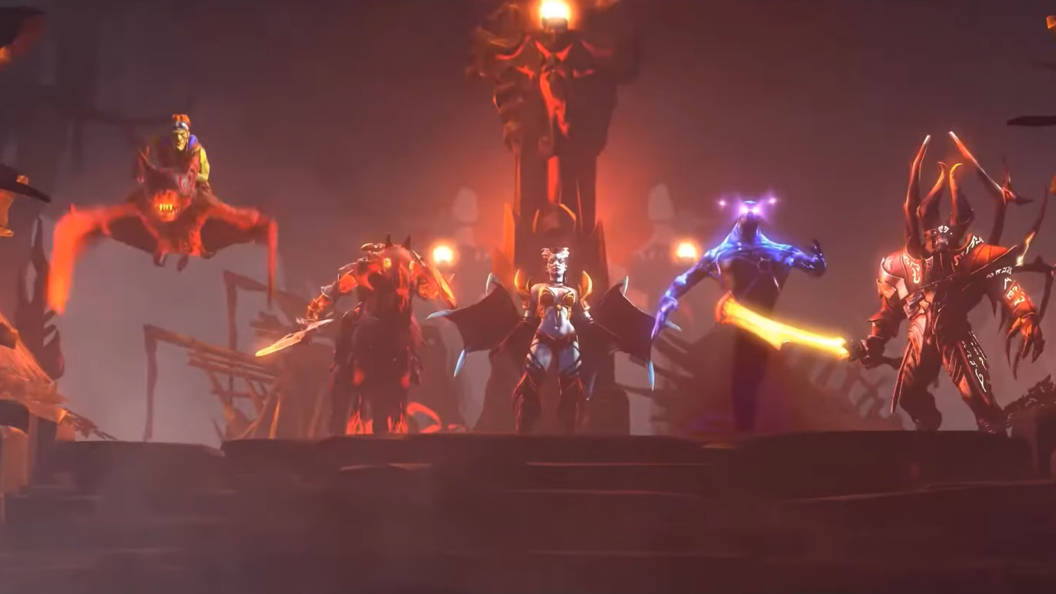
In the dynamic realm of Dota 2, a game known for its complexity and strategic depth, understanding the roles and positions is paramount for achieving success on the battlefield. Each player assumes a specific position, forming the foundation of a well-coordinated team. These five positions, meticulously defined and honed over years of competitive play, are essential for executing tactical maneuvers and showcasing individual skills.
Whether you’re a seasoned player or just embarking on your Dota 2 journey, grasping the perfect definition of these positions is a crucial step toward unlocking your full potential. From the hard-hitting carry to the supportive captain, each position serves a unique purpose within the team’s overall strategy.
All You Need to Know about Dota 2 Role System and Positions
What do Dota 2 positions entail?
In Dota 2, positions are designed to distribute responsibilities and foster tactical cohesion among team members. Each role plays a crucial part in achieving victory, with specific demands and requirements.
When engaging in a Dota 2 match, teams face a multitude of tasks and challenges. To navigate these effectively, it is wise to allocate them strategically among five distinct players. Every role holds significance in securing success, and each demands different attributes for optimal performance.
Picture it like a movie scene with Rambo, who relies on friends to watch his back. Dota 2 operates on a similar principle, placing heavy emphasis on cooperation and teamwork. The five positions serve as the perfect framework for this collaboration.
The position 1, or carry hero, is responsible for accumulating a high creep kill count, amassing resources to become a formidable force. Conversely, for the position 4 or 5 support player, maintaining wards and ensuring continuous vision on the battlefield are crucial elements that significantly impact the game.
In Dota 2, the distribution of roles through positions establishes a solid foundation for teamwork, enabling players to thrive in their respective responsibilities. By understanding and executing their roles effectively, teams can synchronize their efforts, overcome challenges, and ultimately emerge victorious.
Exploring the Five Essential Dota 2 Positions
| Position | Main Role | Lane | Responsibilities |
|---|---|---|---|
| 1 | Carry | Safelane | Farming items, scaling fast, and carrying the game. |
| 2 | Mid Core | Midlane | Dominating the Midlane, highest responsibility to keep the morale up. |
| 3 | Offlaner | Offlane | Countering the enemy safelane, denying creeps, scaling to a semi-core. |
| 4 | Semi-Support | Offlane, Roaming, or Jungle | High mobility, high flexibility, and ganker. |
| 5 | Main-Support | Safelane | Giving the carry a good time, keeping his back, stacking, pulling & warding. |
An In-Depth Overview for Each Position
In Dota 2, the map is divided into two main factions: Radiant and Dire. Unless you’re playing in bot or lobby matches, you don’t have the freedom to choose your preferred side. The game features three distinct lanes: the midlane, safelane, and offlane.
- Midlane: The midlane in Dota 2 offers the greatest advantages, but it also places the highest pressure on the midlaner. If the middle lane falters, the chances of winning significantly decrease. The primary role of a midlane hero is to stabilize the game until the carry becomes sufficiently powerful;
- Safelane: The safelane typically consists of one carry and one support. The support’s responsibility is to provide constant attention and assistance to the carry until they become strong enough to engage in fights. The carry requires a considerable amount of time to grow in strength and be ready for battle;
- Offlane: The offlane is a lane where a solo, duo, or even a triple hero composition is employed to make the enemy safelane’s life difficult. The primary objective is to minimize the opponent’s creep kills and impede their progress.
How do Dota 2 Positions contribute to the game?
Dota 2 Positions play a crucial role in enhancing the understanding and tactical execution of the game. They facilitate playing with players from around the world by providing a clear distribution of responsibilities. Each position in Dota 2 is essential for achieving victory, and the position 1-5 system serves as a solid foundation for comprehending this importance.
The positional definition allows Dota 2 players to focus on a specific role and position, using various heroes that fit those roles. This approach offers a more structured and intentional gameplay experience, as opposed to randomly selecting heroes without a designated purpose. By embracing the positional model, players can better strategize and coordinate their efforts within a team.
A Deep Dive into Dota 2’s 5 Hero Positions
The Dota 2 Carry: Position 1
The Dota 2 Carry, also known as Position 1, is the team’s most potent weapon and the player everyone invests in to ensure a formidable late-game fighting potential. The role of the carry is to join the safe lane and prioritize rapidly accumulating resources.
In this endeavor, the carry finds a reliable companion in the main-support player, who assumes the position 5 role. The support acts as a guardian, constantly watching over and assisting the carry. By harassing the enemy and creating a secure environment, the support enables the carry to thrive. The success of the late game is heavily dependent on the carry hero’s performance – should they falter, the team’s chances of winning diminish rapidly.
Essentials for the Carry Role:
- Prioritize Creep Kills: It is crucial for the carry to aim for a high creep kill count, striving to secure every single creep for maximum gold and experience gain;
- Efficient Leveling: To excel as a carry, it’s important to level up quickly. This requires the support player to stay out of experience range as much as possible, allowing the carry to gain solo experience and progress faster;
- Strategic Itemization: As the carry, selecting the right items is paramount for securing victory. Avoid trolling or making whimsical choices, as the entire team relies on your performance. Strategically assess the enemy team and determine whether it’s advantageous to come online and be ready for early fights or prioritize late-game dominance. Create a well-thought-out strategy accordingly.
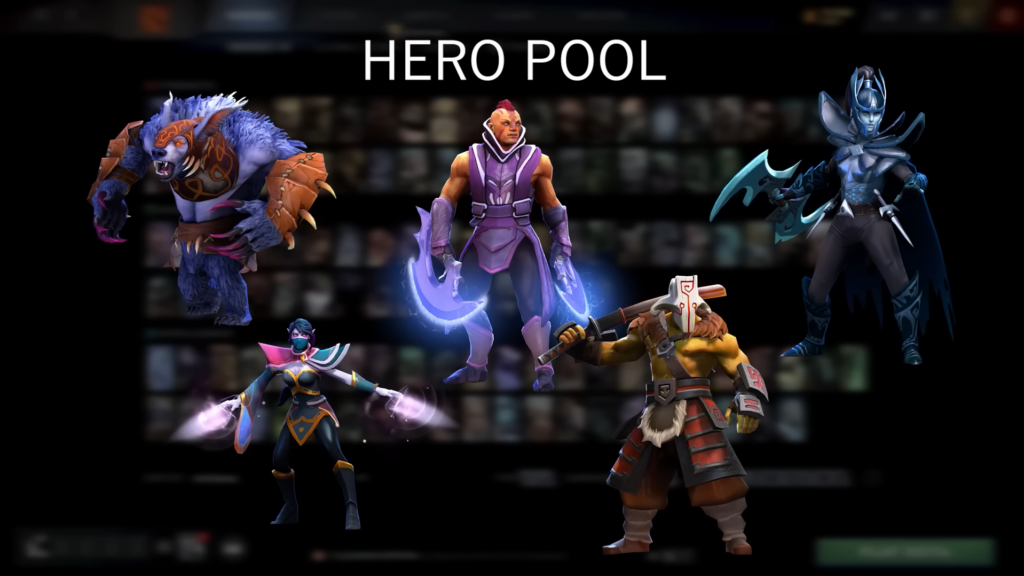
Prominent midlane heroes include Phantom Assassin, Juggernaut and Anti-Mage
The Dota 2 Midlaner: Position 2
The Dota 2 Position 2, commonly known as the Midlaner, holds the highest impact during the early and mid-game stages. The midlane is designed as a solo lane, providing the hero with solo experience and gold accumulation opportunities.
The supports in the game should assist the mid hero in scaling faster by providing tangos and wards. In the early game, the primary objective is for the mid hero to establish an advantage. Position 4 or 5 can also attempt mid ganks with smoke to further aid the mid hero’s progression.
Once the mid hero reaches level 6, they possess the ability to easily roam to other lanes and secure quick kills. Their level advantage empowers them to dominate any other lane if executed effectively. While the mid hero acts as a semi-carry with a significant impact, it’s important to note that they cannot replace the role of a Position 1 carry. The mid hero must be a strong core contributor with high impact potential within the team dynamics.
Key Points for the Midlaner:
- Play Aggressively: Never let the enemy mid hero dominate you; instead, strive to dominate them. Take an assertive approach to the lane and maintain pressure;
- Level 6 Advantage: Focus on reaching level 6 before your opponent by effectively denying creeps. Denying more creeps than your opponent increases your experience gain and helps you hit level 6 faster;
- Evaluate Gang Potential: Once you reach level 6, assess your capability for ganking and securing kills. Decide whether to join fights in other lanes or continue farming to further strengthen your position;
- Communicate Enemy Missings: Report the missing status of the enemy mid hero as soon as you notice their absence. This information is crucial for the safety of your teammates and prevents potential ganks;
- Itemization for Late Game Impact: Choose the right items that enable you to have a significant impact in the late game. Optimize your item build to suit your hero’s strengths and contribute effectively to team fights;
- Extra Tip: Implement smart zoning techniques, such as pushing out creep waves before crucial timing windows, such as 20 seconds before the runes spawn or when your allies plan to gank. This helps create favorable opportunities and control the pace of the game.
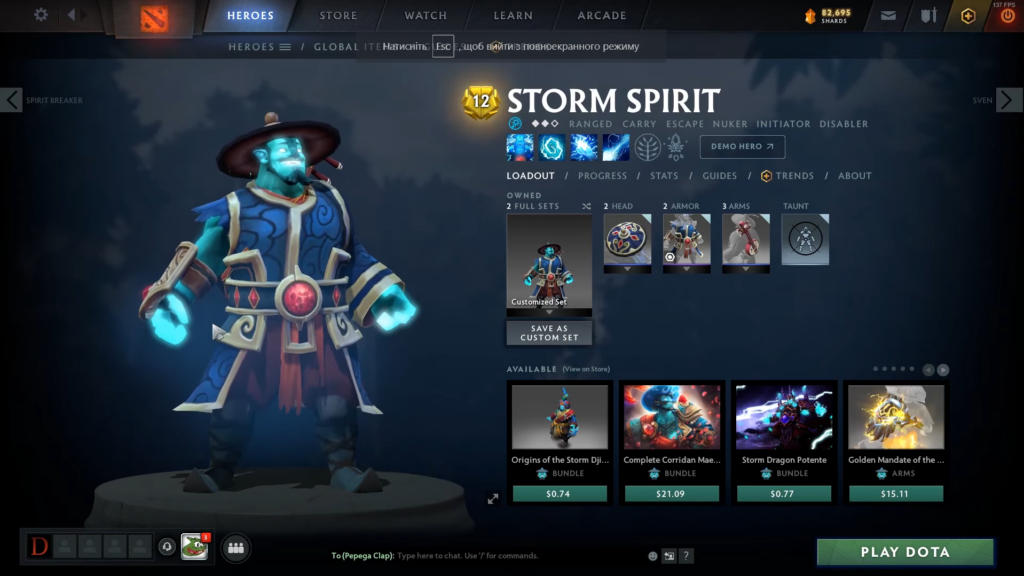
Prominent midlane heroes include Invoker, Storm Spirit, Shadow Fiend, Tinker, and Lina. These heroes are known for their prowess and versatility in the midlane role.
The Dota 2 Offlaner: Position 3
The Dota 2 Offlaner, also known as the hardlaner, engages in a challenging battle against the enemy’s safelane lineup, operating under their best possible conditions. This direct disadvantage presents an opportunity for the offlaner to make impactful decisions and potentially turn the tide in their favor. Winning the offlane not only grants a significant advantage but also holds immense sway over the entire game.
The key objective for the offlaner is to limit the farm of the enemy Position 1 carry and strive to achieve a similar level of farm or at least come close to it.
Position 3 can be played in two distinct roles: as a semi-carry or as a tank. When assuming the role of a tank, the offlaner often requires support backup. Tank heroes excel in their durability and become instrumental in the late game, particularly for initiating team fights. Conversely, if the team’s Position 1 is not a hard carry, the offlaner can adopt the role of a semi-carry. In this case, the offlane semi-carry takes up a solo lane, while the second support focuses on assisting the mid and safe lanes.
Essentials for the Offlaner Role:
- Consistent Damage: Focus on delivering frequent small hits and damage attempts to wear down your opponents over time. Accumulating incremental damage can have a significant impact and put pressure on the enemy;
- Denial of Resources: Strive to deny as much farm and experience as possible from the enemy carry and supports. This denial can heavily influence the game’s outcome by hindering the enemy team’s progression;
- Minimal Deaths: Keep your death count low and avoid feeding the enemy team. Staying alive is crucial as an offlaner, as each death gives the opposing team an advantage and hampers your ability to contribute effectively;
- Efficient Farming: Farm efficiently and accumulate gold to become a powerful asset for your team. As the offlaner, you are often considered the team’s secret weapon, capable of turning the tide in critical moments.
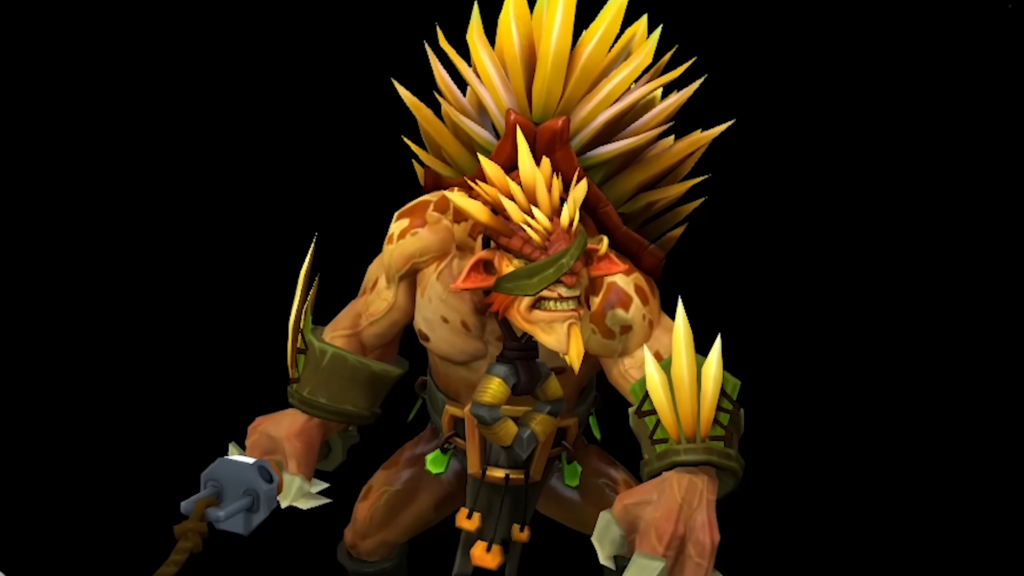
The offlane offers a diverse selection of heroes, each with their unique strengths and playstyles. Prominent examples of offlane heroes include Windrunner, Bristleback, Axe, Mars, Underlord, and Centaur Warrunner. These heroes exemplify the offlane role with their ability to sustain, initiate fights, and disrupt the enemy team.
Dota Position 4: The Versatile Support
Position 4 in Dota 2 is known for its versatility, encompassing roles such as jungler, roamer, or semi-support. This flexibility allows players to adapt their strategy based on the team composition and game dynamics. When facing a formidable enemy team, opting for a roamer can be a wise choice, as it enables early game aggression and provides an opportunity to secure an advantage, particularly in the midlane.
If you lack confidence in your carry’s skills, selecting a jungle hero becomes a viable option, granting more farm opportunities. Additionally, this allows your position 3 hero to play solo and quickly accumulate resources, further strengthening their position.
A position 4 semi-support is crucial when contending with enemy roamers or scouting heroes. One support alone cannot handle all the warding tasks required, as the Dota 2 map is extensive. The presence of a position 4 semi-support ensures adequate vision control and minimizes the risk of ambushes.
Key Considerations for Position 4:
- Map Awareness: Maintain a keen sense of the overall map and respond promptly when enemies engage or towers are being threatened. Use teleportation scrolls to provide immediate assistance where needed;
- Hero Selection: Choose your hero wisely, as it can significantly impact the outcome of the game. A well-suited hero choice enhances your effectiveness, while an ill-suited one can render your gameplay less impactful;
- Warding Support: Contribute to vision control by assisting with warding duties. Consider placing offensive wards to gain advantageous information about the enemy’s movements;
- Smoke Ganks: Purchase smoke of deceit and coordinate ganks with your team whenever opportunities arise. These surprise attacks can catch enemies off guard and secure crucial kills;
- Bounty Rune Control: Be mindful of bounty rune spawns and strive to secure them for your team. These runes provide additional gold and experience, giving your team an edge.
Examples of Effective Position 4 Heroes:
- Roaming Heroes: Pudge, Earth Spirit, and Bounty Hunter excel at setting up kills and disrupting the enemy’s game plan;
- Jungle Heroes: Legion Commander and Lifestealer are suitable choices for efficient jungle farming and resource accumulation;
- Semi-Support Heroes: Winter Wyvern and Bane bring valuable utility and control to the team, supporting their allies in team fights and skirmishes.
Dota Position 5: The Main Support
The main support role in Dota 2 is crucial for a team’s success. As the baby sitter of the team, the position 5 player takes on important tasks such as sharing tangos and wards with the mid hero, making frequent teleports to save allies, and handling crucial responsibilities throughout the game.
Support heroes are the backbone of every victorious team. They constantly harass enemy heroes, stack camps for efficient farming, purchase dust for detection, and provide essential support to their teammates.
Being a position 5 player is not an easy task, but their contributions are invaluable. They may not get the spotlight or secure kills, but their impact on the game goes beyond that.
Key Responsibilities for the Main Support:
- Sacrifice for the Carry: Put your own life on the line to protect and create space for the carry to farm and succeed;
- Warding and Dewarding: Place wards strategically on your half of the map to provide vision and deny the enemy team’s vision advantage;
- Zone the Enemy Offlaner: Prevent the enemy offlaner from gaining access to creeps, disrupting their farm and experience;
- XP Management: Avoid stealing experience from your carry by staying out of range. Use a tome of knowledge later on to catch up on experience if needed;
- Wise Itemization: Make situational item choices based on the game’s needs and your available gold resources;
- Avoid Feeding: Supports are often low on health and vulnerable, yet they still need to perform well and engage in fights effectively.
Some excellent examples of position 5 heroes include Lion, Dazzle, Oracle, and Witch Doctor.
A Comprehensive Guide to Dota 2 Roles and Pro Tips
Identifying the ideal role in Dota 2 can be a challenge. No player can excel in all roles (except maybe for beginners ). This is why professional players specialize in specific roles and avoid switching between them.
After playing your first 100 matches, which are essential for calibration in ranked matchmaking, you’ll likely have developed preferences for certain heroes and positions. Take note of the heroes you enjoy the most and check their win percentages. Somewhere in between lies a good starting point for your main role. Are you inclined towards the carry, midlaner, or do you love supporting your team? Choose a primary role and strive to improve in it!
Key Guidelines for Developing Your Dota 2 Career:
- Choose a Specialized Role: When starting your Dota 2 journey, it’s crucial to focus on and specialize in one particular role;
- Build a Hero Pool: For each role you enjoy, aim to have a pool of approximately 5 heroes that you can proficiently play. This provides you with enough versatility to adapt to different game situations. When selecting from this pool, consider factors such as countering the enemy team or synergizing with your own team composition;
- Respect Role Boundaries: It is important to respect the assigned roles and avoid encroaching on other players’ responsibilities. Stealing another player’s role leads to confusion and can jeopardize the team’s success;
- Itemization: As you play your chosen hero, prioritize building the common items that are typically recommended. As you gain experience and familiarity, incorporate situational items that can address specific challenges or capitalize on opportunities within the game;
- Difficulty of Roles: Understand that certain roles may be more challenging to learn. As a Dota 2 beginner, it is advisable to start with either the support or carry role. The midlane, offlane, and roaming roles tend to be more demanding and may require a deeper understanding of game mechanics.
Tip: It’s important not to get frustrated if there’s a mix-up in roles. While Dota 2 can generally be simplified into five positions, the game is complex and there are times when it’s necessary to make adjustments if a particular strategy isn’t working.
Playing with mixed roles in a single game requires a significant amount of experience and can be learned over time.
Pro Tips for Excelling in Your Dota 2 Role:
- Pro Attitude 1: Maintain composure, stay focused, observe and analyze every aspect of the game from a personal perspective;
- Pro Attitude 2: Embrace confidence, assertiveness, and fearlessness. Take calculated risks and push yourself to the limit, giving your utmost effort. Trust in your abilities and be self-assured;
- Pro Attitude 3: Make quick decisions and commit to them. Avoid indecisiveness and second-guessing;
- In public matchmaking, bridge the gaps: If someone isn’t fulfilling their role, politely ask them to do so. If they refuse, take the initiative and fulfill that role yourself. This includes tasks like warding, dewarding, engaging with smoke, notifying missing heroes, providing guidance, sharing item suggestions, and leading the team towards victory.
Tip: Leadership can come from anyone. Regardless of your position (5, 4, 3, 2, or 1), some players excel at making decisive calls while others may not.
Roles hold significant importance in Dota 2
The introduction of the Predefined Role Matchmaking System by Valve exemplifies their emphasis on positions. With the Dota 2 Ranked Role Selection, a patch was implemented in August 2019, allowing players to select their desired position before the game commences. This ensures that all five positions can be filled by a single person, resulting in the formation of an ideal team.
Although you have the option to select multiple roles, the system will assign a specific role to you once the game begins.
Conclusion
In conclusion, mastering the Position 1 role in Dota 2 is a journey filled with challenges and rewards. As the primary carry of the team, your performance can make or break the outcome of every match. By understanding the importance of farm, itemization, and decision-making, you can unleash your true potential and become a force to be reckoned with. Remember to communicate effectively with your team, adapt to the ever-changing meta, and constantly refine your skills through practice and experience. Whether you’re dominating the laning phase, pushing objectives, or delivering devastating teamfight contributions, your impact as a Position 1 player can lead your team to glory.