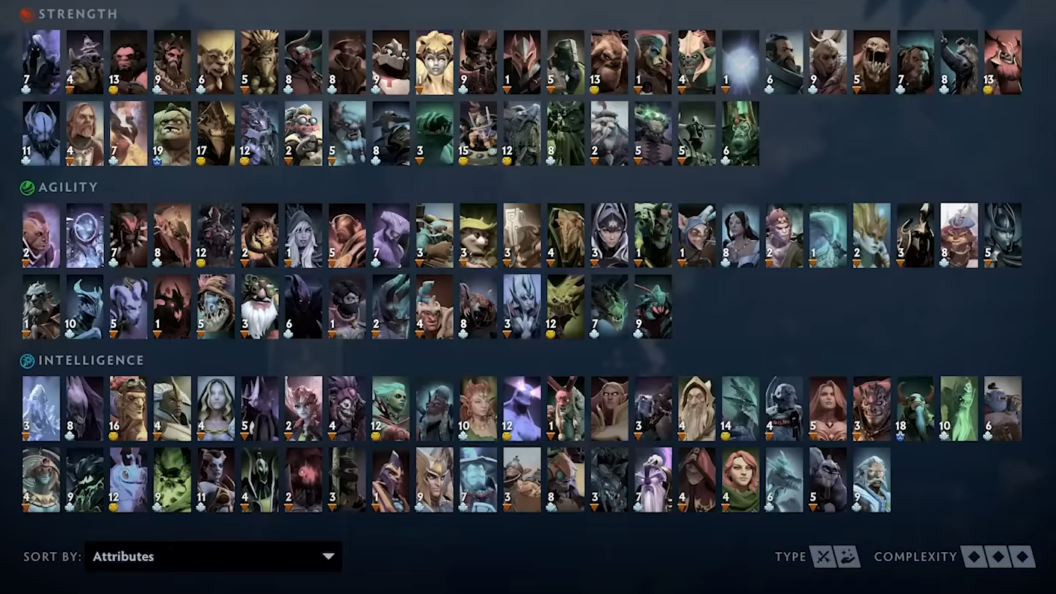
In the realm of Dota 2, the heroes reign supreme, serving as the core essence of the game itself. These heroes bring forth a tapestry of complexity and intricacy, each possessing a distinctive and unparalleled set of abilities. It is through these abilities that the concepts of synergy and counters come to life, elevating the gameplay experience to new heights and fostering a sense of depth and competitiveness that is unparalleled.
Yet, hero-based games are not without their challenges, and achieving a delicate balance is a paramount concern. In the vast universe of Dota 2, balance is more than just a mere concept—it is a cornerstone of design, a philosophy meticulously upheld by the visionary minds of Icefrog and Valve. As Dota 2’s hero roster has evolved and matured over time, some heroes have withstood the test of time, tracing their origins back to the early days of 2003 under the watchful eyes of Guinsoo and Icefrog. However, it was Icefrog’s sole stewardship that truly showcased his mastery of the delicate art of balance, culminating in the creation of an iconic hero pool that has become synonymous with the game.
As one delves into the extensive and storied history of Dota 2, a question naturally arises: how many heroes currently populate this captivating realm? Through countless updates and revisions, the exact count remains a subject of both fascination and speculation, leaving enthusiasts and players alike eager to uncover the precise number that shapes the very fabric of Dota 2’s dynamic landscape.
Exploring the Strength Heroes of Dota 2
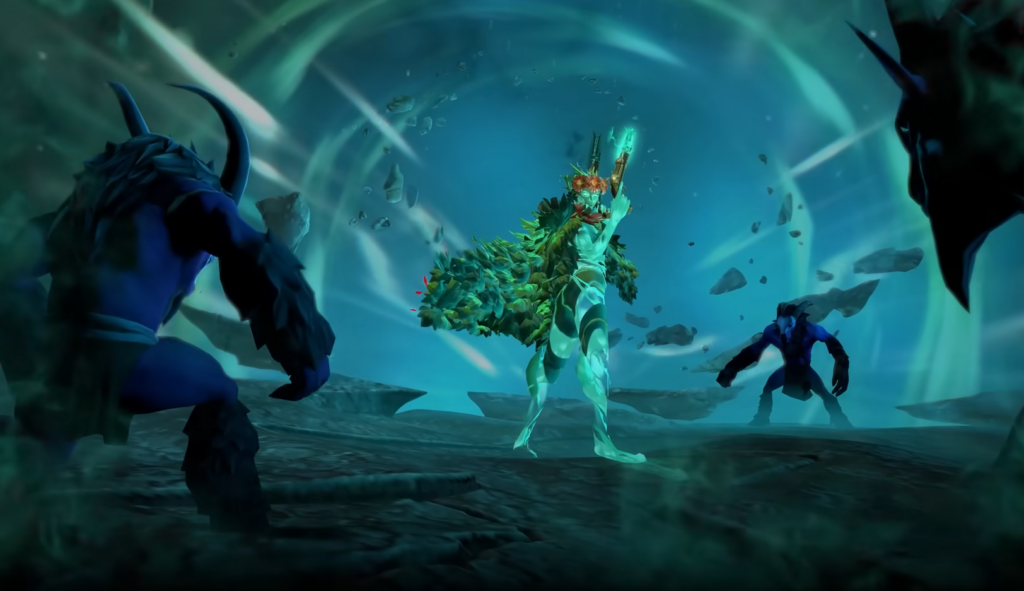
Strength heroes in Dota 2 are commonly associated with fulfilling frontline tanking roles, but Icefrog, the game’s developer, has expanded their capabilities beyond being merely slow and unintelligent characters. Some Strength heroes serve as symbiotic supports, spellcasters, backline healers, or counter-initiators, showcasing the versatility within this category.
The decision to categorize heroes based on their primary attribute extends to Strength heroes, as it directly influences their physical damage output. Additionally, the attribute grants all heroes an inherent health regeneration benefit.
However, Strength heroes face certain challenges. They often struggle with mana management and tend to have lower armor compared to other heroes. If a Strength hero fails to establish dominance during the laning phase, their ability to fulfill their tanking duties becomes compromised. Investing effort in optimizing their gameplay will yield satisfying results, with opponents labeling them as formidable “RAIDBOSS!” characters.
The World of Dota 2’s Agile Heroes
The heroes within this category embody the epitome of physical damage potential, surpassing their counterparts in the game. Agility heroes primarily excel as “damage dealers” and often dominate the safe lane in terms of pick rate.
While some skilled players may explore alternative roles for certain heroes, such as Sneyking’s support Mirana, the majority of Agility heroes find limited play outside their designated roles. Each point of agility grants these heroes additional damage, attack speed, and every six points contribute to a gain of one armor. This makes them ideal candidates for the Carry position, responsible for delivering devastating blows in battles.
It is worth noting that Agility heroes typically possess lower health and mana pools. While their primary objective is dealing damage, they are often susceptible to burst damage. As you navigate the game with Agility heroes, it’s crucial to remain vigilant of the minimap, as enemies may specifically target you, the enemy carry. Currently, Dota 2 boasts a roster of 38 Agility heroes as of version 7.32e.
Dota 2’s Intelligence Heroes
Intelligence heroes in Dota 2 possess immense power while maintaining a safe distance from direct confrontations. These heroes shine in their spellcasting abilities, unleashing a wide range of magical prowess, from lightning bolts to devastating meteors. Their prevalence is particularly notable among midlaners, given the level-dependent nature of some Intelligence heroes.
Once Intelligence heroes acquire their full spell arsenal, they become formidable forces capable of turning the tides of battle. In addition to their mana regeneration capabilities, Intelligence heroes gain 1 point of damage for each Intelligence point they possess. However, caution is advised when playing as an Intelligence hero, as their lack of armor and relatively low health make them vulnerable to quick deaths. This vulnerability often necessitates positioning them in the backline to ensure their safety.
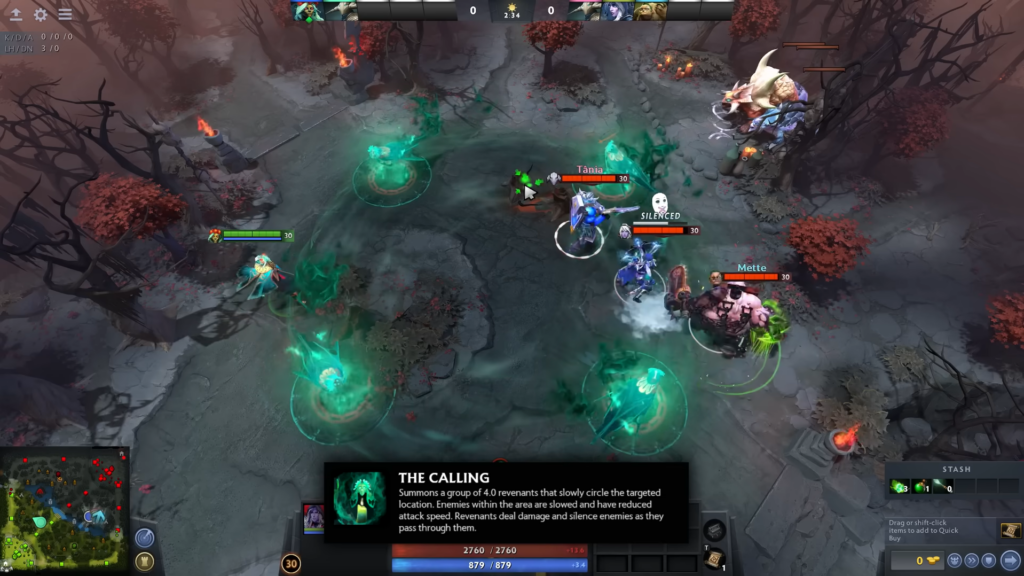
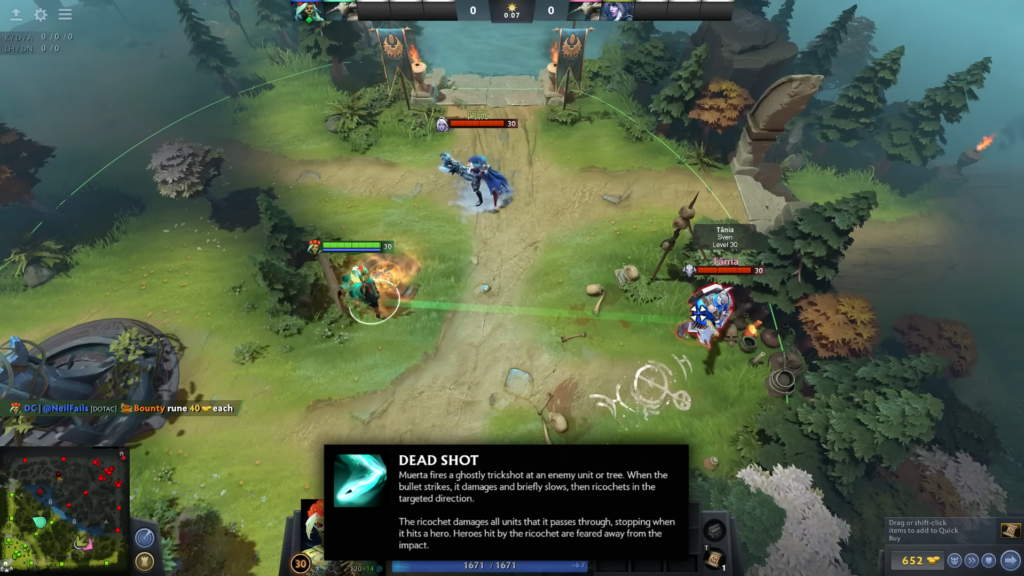
Proper positioning is paramount for Intelligence heroes to maximize their effectiveness. Despite their fragility, their impact on the battlefield is significant. Therefore, it is crucial to protect them at all costs. Prior to version 7.32e, Dota 2 featured 41 Intelligence heroes. With the introduction of Muerta in this patch, the game’s hero roster expands to a total of 124 unique heroes. Many of these heroes find themselves in the spotlight of professional play, capturing the admiration and love of the game’s passionate fanbase.
Conclusion
Dota 2 is a game with a vast selection of heroes to choose from. With a total hero count of over 100, players have the opportunity to explore different hero types, abilities, and playstyles. Whether you prefer heroes with strength, agility, or intelligence, there is a hero in Dota 2 that will suit your style. Knowing the total number of heroes available in Dota 2 can help players plan their strategy and choose their ultimate team for battle. With the right combination of heroes and skills, players can become a master of the arena and achieve victory. So, take the time to explore the hero roster, discover your favorites, and become a hero yourself in Dota 2.